This is a student project · An imagined film festival
BECOMING THE WITCHA FILM PROGRAMME

FEAR · DESIRE · POWER

Becoming
the Witch

Who gets called a witch—and what happens when she claims the name?

Five films exploring the making of the dangerous woman, and the seductive promise of power.

FIVE FILMSONE UNSETTLING QUESTION
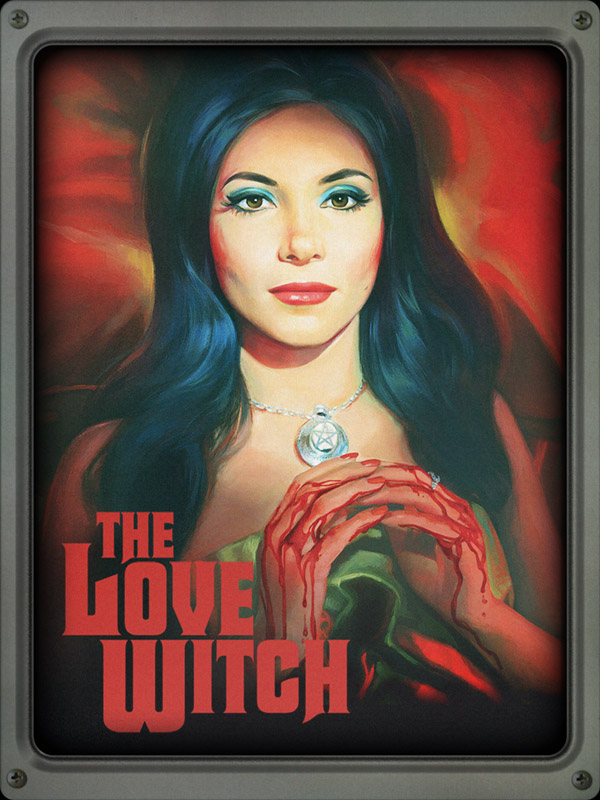
Official promotional poster for The Love Witch, featuring Elaine
The Love Witch · Oscilloscope
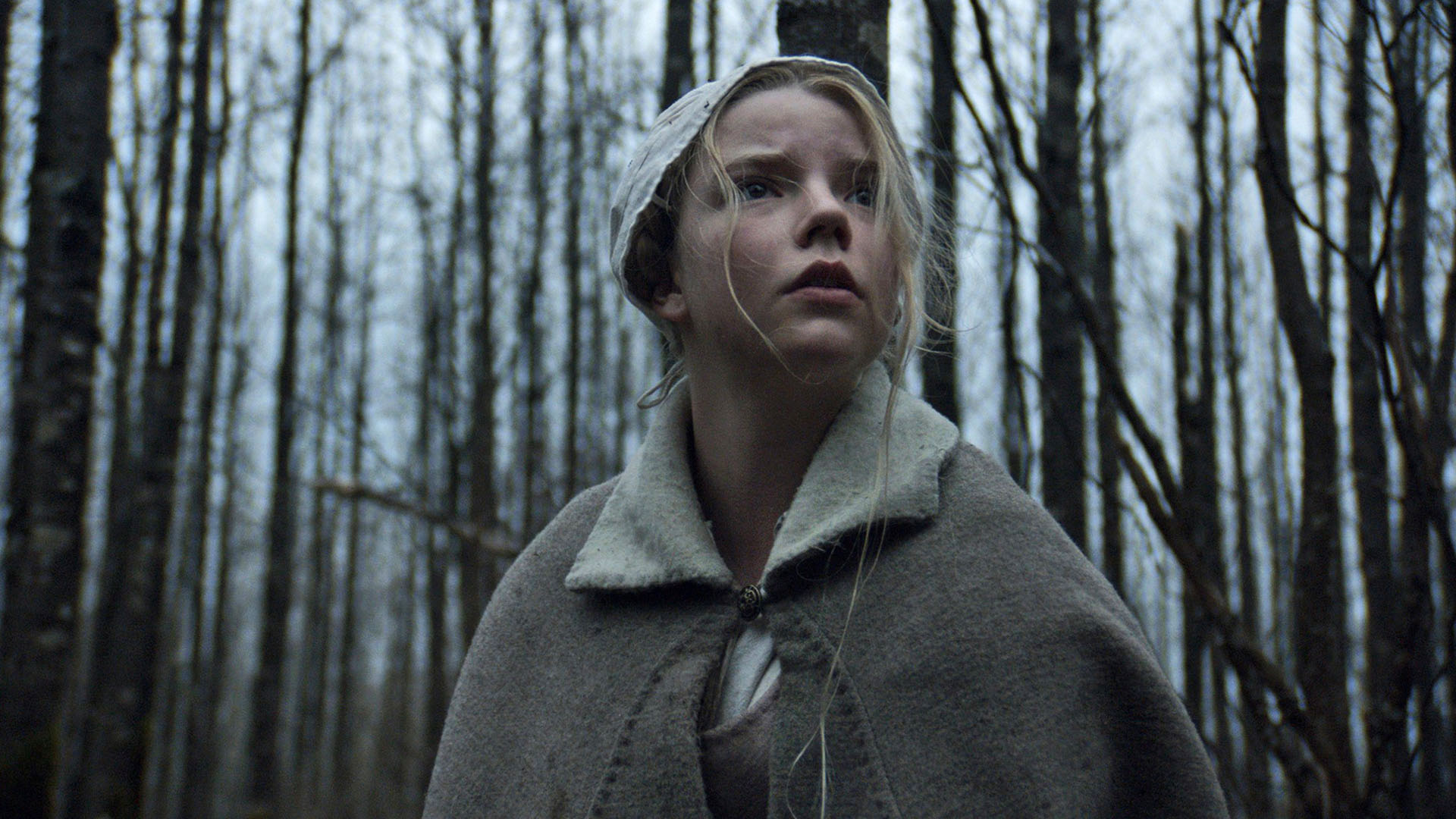
The Witch promotional image from A24
FEAR
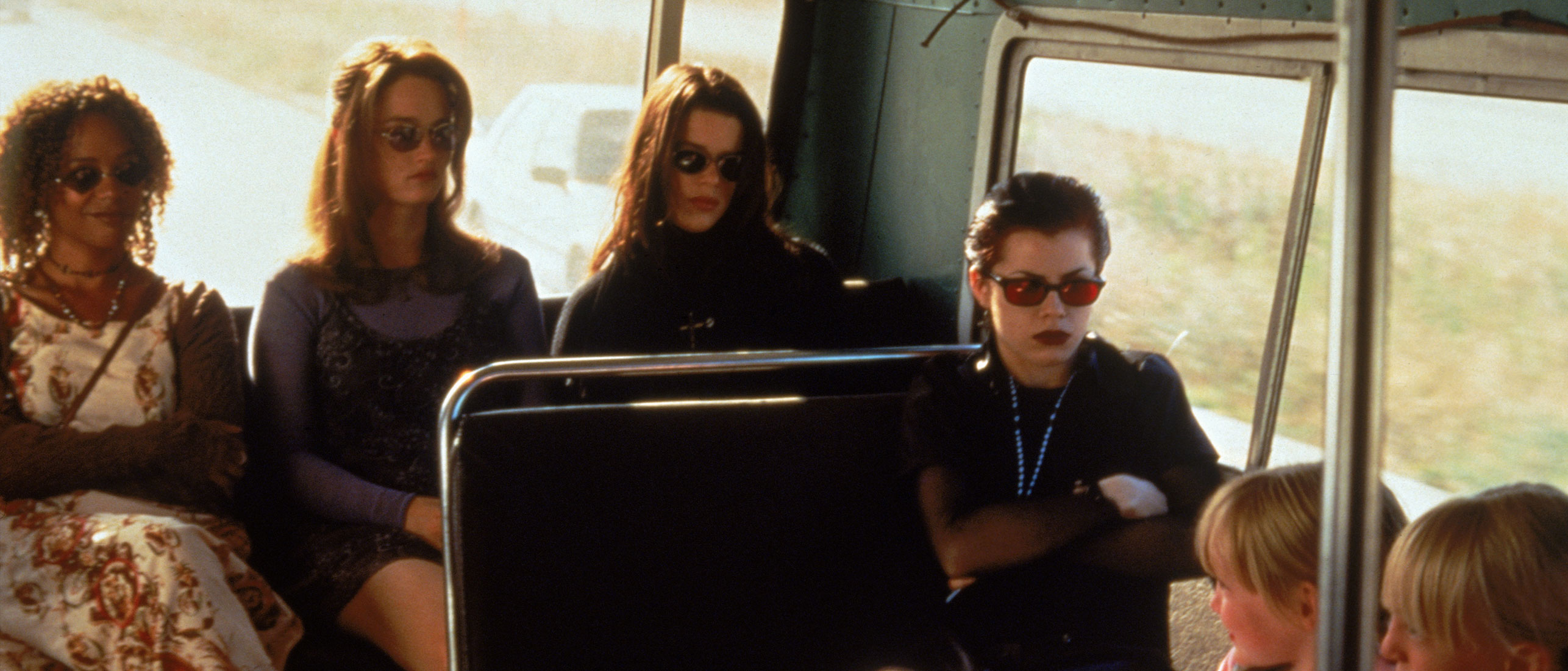
Official The Craft promotional banner from Sony Pictures
POWER
A SPELL IN FIVE ACTS

THE INVITATION

A name imposed.
A power imagined.

The witch can be an accusation, a performance, or a promise of another life.

This programme brings together five films from American cinema and its international co-productions. Moving through retro fantasy, folk horror, camp comedy and suburban unease, it asks how femininity becomes something to discipline—and how women turn a feared identity into a possible source of agency.

Read together, these films offer no easy story of liberation. Magic may unsettle the rules. It may also reproduce them.

THE FILM PROGRAMME TRAILER

Enter the circle.

Begin with the images.
Stay for the questions.

A journey through desire, suspicion and power.Open video separately

THE SELECTED FILMS

Five films.
Unquiet women.

From cult favourites to contemporary
witch cinema. Follow the programme in order,
or begin with the question that finds you.

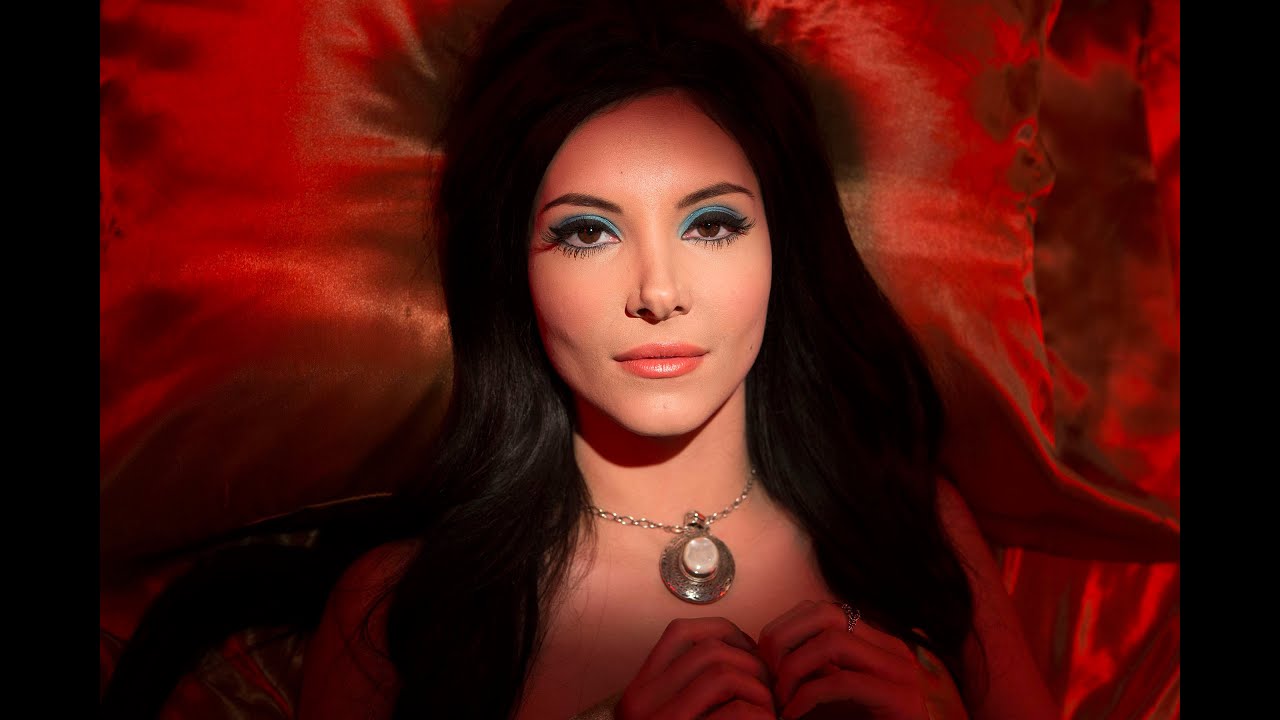
The Love Witch official theatrical trailer artworkCONSTRAINED DESIRE

The Love Witch

2016 · Directed by Anna Biller

Elaine arrives in a Californian town determined to find the love she believes will make her complete. In her carefully decorated apartment, she prepares spells and potions to attract men. But the devotion she produces becomes destructive, exposing a disturbing gap between romantic fantasy and the people expected to fulfil it.

The curatorial connection

We begin with a paradox: a woman can possess extraordinary powers while remaining bound to an ideal of desirable femininity. Biller’s lavish surfaces invite us to look closely at the labour behind the fantasy of being loved.
Explore the film at Oscilloscope
The Witch promotional image supplied by A24THE MAKING OF A THREAT

The Witch

2015 · Directed by Robert Eggers

In seventeenth-century New England, a family settles beside an ominous forest after leaving its religious community. When a baby disappears and the harvest fails, fear turns inward. Their eldest daughter, Thomasin, becomes a focus of suspicion as religious conviction, family authority and supernatural terror collide.

The curatorial connection

Watch how ordinary gestures become evidence against Thomasin. This film places the policing of a daughter beside the terrifying possibility of a different life. Its supernatural story is a cinematic interpretation, not a record of an actual witch trial.

An international co-production. First premiered in 2015; US theatrical release in 2016.

Explore the film at A24
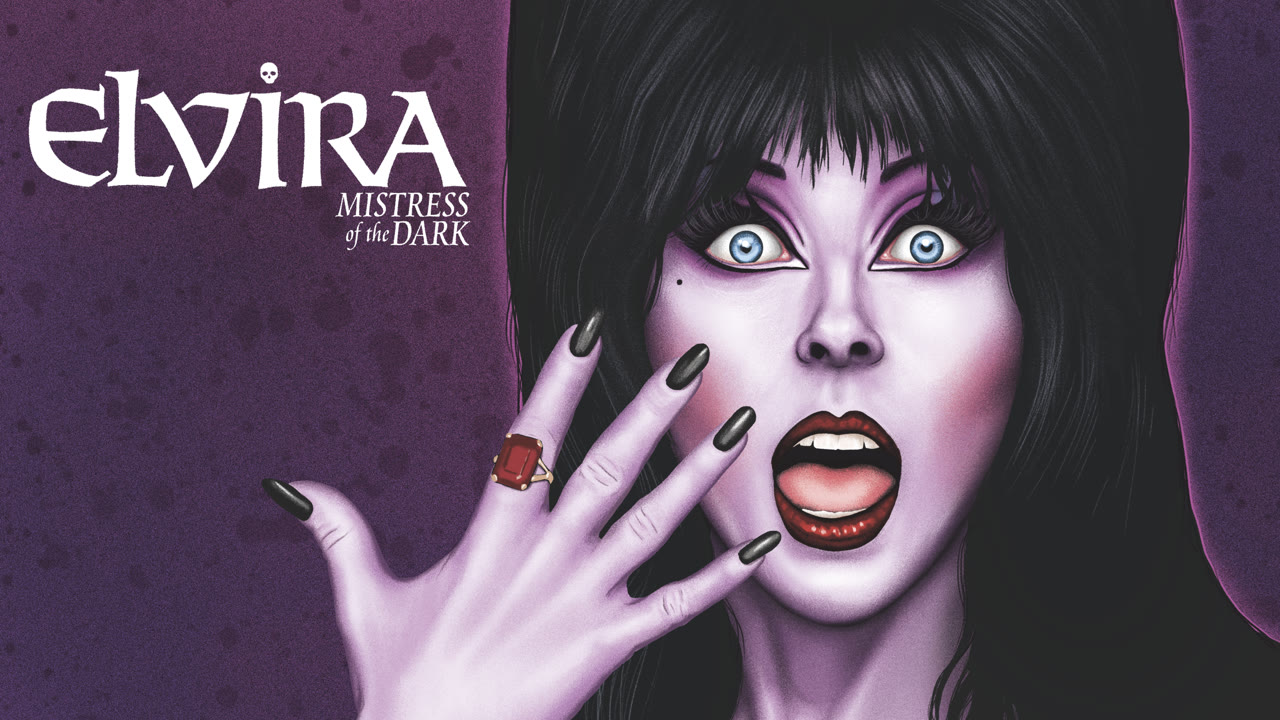
Official Arrow promotional artwork for Elvira: Mistress of the DarkSTIGMA AND PUNISHMENT

Elvira: Mistress
of the Dark

1988 · Directed by James Signorelli

After quitting her television job, horror hostess Elvira travels to a conservative Massachusetts town to claim an inheritance. Her clothes, wit and sexual confidence scandalise its self-appointed guardians of morality. A mysterious recipe book and a sinister relative turn the confrontation into a battle involving real witchcraft.

The curatorial connection

The programme’s camp turning point makes moral panic look ridiculous. Elvira refuses the shame assigned to her, while the town transforms disapproval into collective punishment. Humour becomes a way to challenge who gets to define respectable womanhood.

Explore the film with Arrow
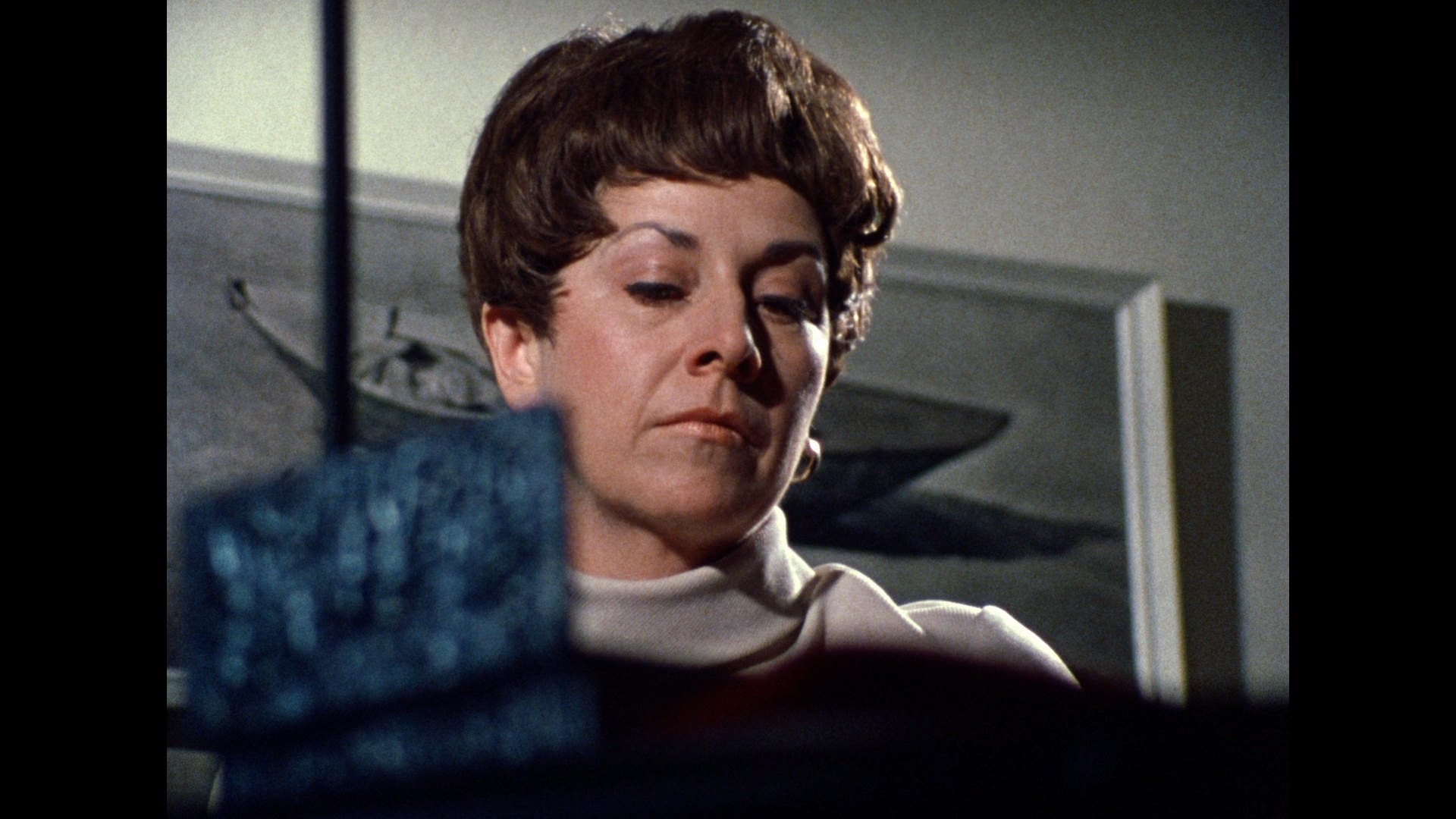
Season of the Witch publicity still supplied by Arrow through Fetch PublicityCLAIMING AN IDENTITY

Season of the Witch

1972 · Directed by George A. Romero

Joan Mitchell’s comfortable suburban home conceals a life of frustration and isolation. An encounter with a woman who practises witchcraft suggests an alternative to the routines of marriage and motherhood. As Joan experiments with rituals and desire, her imagined escape unsettles the boundaries between domestic life, fantasy and violence.

The curatorial connection

Here witchcraft becomes something sought rather than simply imposed. Joan’s experiments raise a difficult question: can a new identity change the conditions of her life, or only the way she experiences them?

Year follows Arrow’s 1972 listing; some release records list 1973. Originally filmed as Jack’s Wife and released under the title Hungry Wives.

Explore the film with Arrow
Official promotional banner for The Craft from Sony PicturesTHE CONTRADICTIONS OF POWER

The Craft

1996 · Directed by Andrew Fleming

New student Sarah joins three outsiders at a Los Angeles high school. Their experiments with witchcraft promise protection, recognition and revenge against those who have hurt them. As their spells take effect, the group’s solidarity gives way to rivalry, exposing the dangers of power exercised through domination.

The curatorial connection

Our final film leaves liberation unresolved. A coven offers belonging, yet unequal power threatens its bonds. Notice who is allowed to remain powerful, who is punished, and what becomes of the promise of collective resistance.

Explore the film at Sony Pictures

Viewing note: the programme includes sexual themes, violence, religious persecution and distressing imagery. Individual films differ in tone and intensity.

BEHIND THE WITCH

Who makes
a woman wicked?

Two ways into the programme:
the stories we tell about women,
and the histories behind the accusation.

When women express desire, refuse obedience, or seek power, why are they so often portrayed as dangerous? Moving between historical accusations and cinematic fantasies, this programme asks who defines the witch—and what happens when women claim that identity themselves.

A FEMINIST LENS

The making of
the “wicked woman”

“Wicked woman” is our curatorial starting point, rather than the name of a single theory. These perspectives help us question how femininity becomes a source of fear.

The monstrous-feminine

Barbara Creed’s The Monstrous-Feminine (1993) investigates how horror makes female bodies, sexuality and reproductive power frightening. The witch is one of the figures she examines. Her work invites us to ask how femininity becomes central to a character’s perceived threat.

Look again: what makes Elaine’s desire—or Thomasin’s growing independence—feel dangerous?

Read about Creed’s book
Bodies under control

In Caliban and the Witch (2004), Silvia Federici connects witch-hunting with the emergence of capitalism and struggles over bodies, labour and reproduction. Presented here as one feminist historical interpretation, her argument asks whose interests the disciplining of women’s bodies serves.

Look again: which expectations survive even when a character acquires magic?

Read about Federici’s book

A HISTORICAL LENS

Beyond the
medieval myth

Witch beliefs have earlier histories, but the major European witch-hunting campaigns belong primarily to the early modern period. Historical people accused of witchcraft must be distinguished from fictional characters who possess supernatural powers.

From belief to accusation

Accusations brought thousands of people, many of them women, before courts. Religious beliefs, community tensions and legal practices shaped these persecutions. There is no single explanation that accounts for every place and period.

Explore records at The National Archives
Were witches always burned?

No. Punishments varied across places and periods. During the Salem witch trials of 1692, nineteen people were hanged; Giles Corey was pressed to death. The familiar cinematic image of the burning witch should not be mistaken for a universal history.

Explore the Salem Witch Museum’s historical FAQs
The questions linking these perspectives to the films are this programme’s curatorial interpretations. Historical background and theoretical arguments are identified separately.

YOUR WAY INTO THE PROGRAMME

Which question
will you follow?

Choose what intrigues you. Find a film to begin with.

YOUR STARTING POINT

The Love Witch

Begin with desire: what if the fantasy of perfect love becomes a form of captivity?

Meet the film

AN OPEN INVITATION

For the curious.
For the unruly.

For students, cult-film enthusiasts and anyone curious about gender on screen. Come for the spells, the camp and the unsettling images. Leave with a different question about who gets called dangerous.